
AS WE HEAD TOWARDS SPRING, the temperature change signals the start of the cruising season and with it a need to de-winterise your boat.
 River Canal Rescue’s managing director, Stephanie Horton, advises what to focus on:
Water
Close any taps left open throughout the winter, replace the water heater plug (if removed) and switch on the water pump. Test the system for leaks or issues, and open/run water through each tap. Start with those closest to the pump and work through to the one furthest away—this will push any air locks through the system. Drain out any water in the tank and refill with fresh drinking water.
Engine
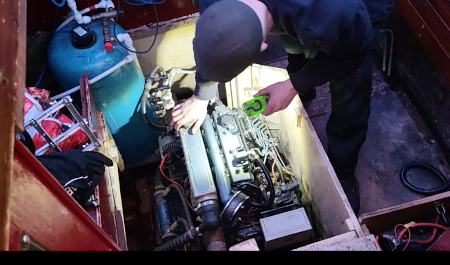
When considering servicing, include the engine, LPG and electrical systems, fire extinguishers and escape hatches. Check the oil (level and condition)—you’ll see whether the engine needs a top-up or service (the latter if the oil’s black). Service your engine yearly or every 250 running hours (whichever comes first). Change all fluid filters and check the air filter. Even if they’re clean, it’s good practice to change them so they work well for the coming season. Run and test the engine to check for leaks and performance. Check the antifreeze level—if it’s low, it could be due to a leak; make any necessary repairs and top up levels in case there’s a cold snap (you never know). At RCR, we undertake engine servicing and inspections from mid-September to mid-March each year with discounted rates for members.
 Fuel
Fuel
Water in the fuel is one of the biggest causes of breakdowns and poor engine performance, so before running the engine, remove any excess water from the water trap filters. If water is present or there are signs of diesel bug (black dust or jelly)—dip the tank to identify its severity and treat with a fuel treatment or polish the fuel. If you don’t have a water trap filter, check the main fuel tank using a clear plastic hose. Drop it into the tank (don’t disturb the fuel) and when you feel the bottom, place your thumb over the end to seal it and withdraw the hose. This should provide you with a sample of the tank (plus an indication of any diesel bug contamination) and show the amount of water present. There is debate around what causes sticky fuel—a change in fuel density that appears to clog up injection pump racks, injectors and filter head plungers, and block fuel filters. A common denominator in all reported cases is the use of fuel treatments. They in themselves are not at fault; but there may be a link with fuel and chemical breakdown when stored for a while. We now advise people to leave their fuel tanks empty when the boat is not in use over winter and upon return, drain off any water build-up, treat the remaining fuel and then add fresh. If using a fuel treatment, given we know chemicals start to breakdown within six months and we believe this is one of the contributing factors, use it within six to 12 months of purchase. A strong smell of turps signals you may have a sticky fuel problem. If you think this is the case, overhaul the injectors and/or pump, empty the tank and refill with fresh fuel.
 Bolts and terminals
Check bolts on couplings, engine mounts (only adjust the bottom bolt) and prop shaft are tight, and clean off any corrosion on battery terminals. Check the fan belt for tightness and wear (cracks and fraying are a sure sign it needs replacing) and gearbox oil levels. A traditional stern gland should leak, but if it’s leaking too much, it probably needs adjusting and greasing. If this does not resolve it, it needs repacking.
Cooling system
Run your engine up to ‘running’ temperature (if there’s a gauge) or for approximately half an hour. Check the cooling system for leaks or escaping steam and if something is found, ensure jubilee clips are tight. If a split pipe is evident call out a qualified engineer. Finally put the engine into gear and check the control leaver operation, it should move freely with no tightness or ‘grabbing’, grease the ends, check for fraying, and replace if required.
 Bilges and pumps
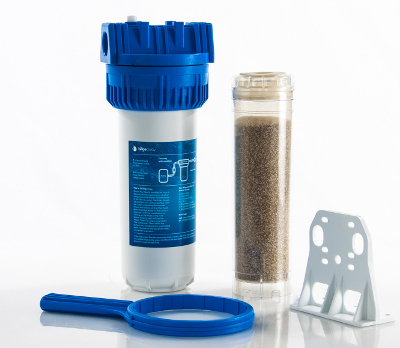
Remove all waste from the bilges and clean them. This helps you spot any developing leaks or issues throughout the coming season and reduces the risk of contaminants being pumped into our waterways. A bilge pump is a must—it keeps your vessel safe, so it’s important to have the right type of bilge pump and install it correctly. A maintenance pump manages small levels of water ingress consistently so requires replacing after a few years. Position it in an area where water ingress is likely, such as near the stern gland or directly under deck boards. An emergency pump acts as an early-warning system, so it has to be automatic (responding without prompting) and positioned in an area at risk of serious ingress, and two-three inches higher than the maintenance pump. By making the outlet point as visible as possible, water pumped overboard will alert you to a serious issue. Ideally vessels should both pumps. Also install a Bilgeaway filter (pictured)—it uses a non-toxic solution to extract petrol, diesel, engine oil etc from water and renders them non-reactive, leaving environmentally-friendly contents in a cartridge which can be disposed of and the housing re-used.
Deck clearance
Clear deck drains of any leaves and debris—it will reduce the amount of water that enters the bilge and prevent rust occurring within the gunnels.